
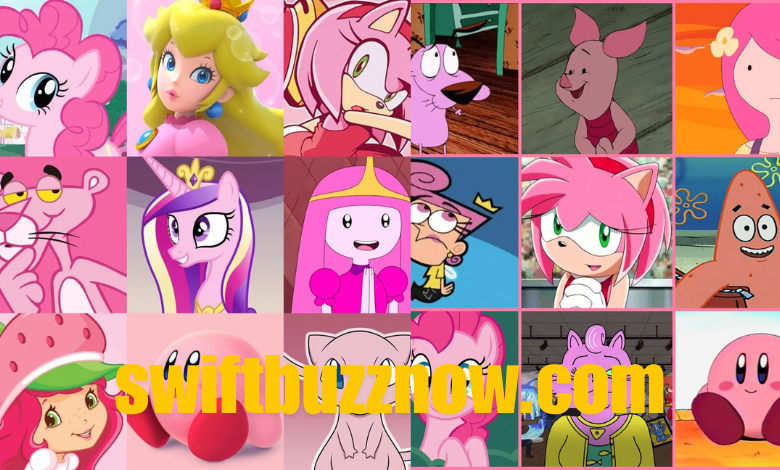
The internet didn’t see it coming—but suddenly, pink is everywhere. From streaming platforms to viral TikTok edits, a wave of pink characters is dominating timelines, sparking conversations, and redefining what mainstream appeal looks like. It’s not just a color trend; it’s a cultural shift. Fans are obsessing, brands are adapting, and creators are leaning hard into a hue that once felt niche but now screams influence.
Scroll through any social feed and you’ll notice it instantly: pink characters are trending across fandoms, fashion, and film. Whether it’s nostalgia-driven revivals or bold new personalities, these figures are capturing attention in a way few trends do. And as the momentum builds in the United States, industry experts say this might be one of the most powerful aesthetic movements of the decade.


The sudden rise of pink characters in digital culture
The explosion of pink characters didn’t happen overnight, but it feels like it did. Over the past year, content creators have increasingly leaned into visually striking palettes to stand out in crowded feeds. Pink, once associated with softness or femininity, is now being redefined as bold, expressive, and universally appealing. This shift has fueled the rapid rise of pink characters across multiple platforms.
Streaming giants and gaming studios have also played a huge role in amplifying the trend. By introducing vibrant, pink-themed protagonists and supporting roles, they’ve tapped into a growing demand for visually iconic storytelling. As a result, pink characters are no longer secondary aesthetics—they’re leading narratives, driving engagement, and setting the tone for what audiences want next.
Why audiences are emotionally connecting with pink aesthetics
There’s a psychological layer behind the popularity of pink characters that goes beyond visual appeal. Studies in color theory suggest that pink evokes feelings of comfort, nostalgia, and creativity. In a fast-paced digital world, audiences are naturally drawn to content that offers emotional relief—and pink characters deliver exactly that.
At the same time, the trend reflects a broader cultural shift toward self-expression and individuality. Today’s audiences don’t just want relatable characters; they want characters that stand out and challenge norms. Pink characters, with their vibrant presence, symbolize confidence and uniqueness, making them especially appealing to Gen Z and younger millennials who dominate digital consumption.
Social media algorithms fueling the viral pink wave
One of the biggest drivers behind the success of pink characters is the algorithm itself. Platforms like TikTok, Instagram, and YouTube prioritize visually engaging content, and bright colors—especially pink—naturally perform better. This has created a feedback loop where creators continue to produce pink-themed content because it consistently attracts higher engagement.
Viral challenges, fan edits, and aesthetic compilations have further accelerated the trend. Hashtags related to pink characters are gaining millions of views daily, pushing them into mainstream visibility. As more users interact with this content, algorithms amplify it even further, ensuring that pink characters remain front and center in the digital spotlight.
The role of nostalgia in reviving pink-themed icons
Nostalgia is a powerful force, and it’s playing a major role in the resurgence of pink characters. Many iconic figures from the early 2000s and even earlier are being rediscovered by younger audiences. Through remakes, reboots, and fan-driven content, these characters are experiencing a second life in the digital age.
This revival isn’t just about reliving the past—it’s about reinterpreting it. Modern creators are giving classic pink characters new depth, updated storylines, and contemporary relevance. As a result, they resonate with both longtime fans and new viewers, bridging generational gaps and expanding their cultural impact.
Brands and marketers capitalizing on the pink trend
Major brands in the United States are quickly adapting to the rise of pink characters, incorporating them into campaigns, product designs, and collaborations. From fashion lines to tech accessories, the pink aesthetic is becoming a key marketing tool. Companies understand that aligning with trending visuals can significantly boost visibility and consumer interest.
What’s particularly interesting is how brands are using pink characters to communicate inclusivity and creativity. Instead of sticking to traditional branding, they’re embracing bold colors and unique designs to connect with younger audiences. This strategy is paying off, as campaigns featuring pink characters are seeing higher engagement rates and stronger emotional connections with consumers.
Entertainment industry reshaping narratives around color
The entertainment industry is undergoing a subtle but significant transformation, with pink characters leading the charge. Filmmakers and showrunners are moving away from stereotypical color associations and embracing more diverse representations. Pink is no longer limited to specific roles or personalities—it’s becoming a symbol of strength, complexity, and individuality.
This shift is also influencing storytelling techniques. Writers are crafting narratives that highlight the uniqueness of pink characters, making them central to the plot rather than decorative elements. As a result, audiences are seeing more layered, compelling stories that challenge traditional norms and expand creative boundaries.
Data and trends proving the dominance of pink characters
Recent analytics from social media platforms and streaming services reveal just how dominant pink characters have become. Content featuring pink-themed visuals is outperforming other color-based aesthetics by a significant margin. Engagement rates, watch times, and share counts are all higher, indicating a strong audience preference.
In addition, search trends show a steady increase in queries related to pink characters over the past 12 months. This suggests that the trend isn’t just a temporary spike—it’s a sustained movement with long-term potential. As more creators and brands invest in this aesthetic, the data indicates that its influence will continue to grow.
The future of pink characters in pop culture
Looking ahead, experts predict that pink characters will evolve rather than fade away. As the trend matures, we can expect to see more innovative interpretations, blending pink aesthetics with other visual styles. This fusion will likely lead to even more diverse and dynamic content, keeping audiences engaged.
There’s also potential for pink characters to influence areas beyond entertainment, including education, technology, and even virtual reality experiences. As digital environments become more immersive, visually striking elements like pink aesthetics will play a crucial role in shaping user experiences. This positions pink characters as a long-term cultural force rather than a passing trend.
How creators can tap into the pink character movement
For content creators, the rise of pink characters presents a unique opportunity to stand out in a competitive landscape. By incorporating pink elements into their work—whether through design, storytelling, or branding—they can align with current trends while maintaining originality. The key is to use the aesthetic thoughtfully rather than relying on it as a gimmick.
Consistency is also crucial. Audiences are drawn to cohesive visual identities, so creators who commit to a strong aesthetic are more likely to build loyal followings. By combining creativity with strategic use of pink characters, creators can not only capture attention but also sustain long-term growth in an ever-changing digital environment.
Why this trend matters more than you think
At first glance, the popularity of pink characters might seem like just another internet trend. But dig deeper, and it becomes clear that it reflects broader cultural shifts. It’s about breaking stereotypes, embracing individuality, and redefining what resonates with modern audiences.
In a world where attention spans are shrinking, visually impactful elements like pink characters are becoming essential tools for communication. They capture interest instantly, evoke emotion, and create memorable experiences. This makes them not just a trend, but a powerful medium for storytelling and connection.
Final thoughts on the pink characters phenomenon
The rise of pink characters is more than a fleeting moment—it’s a defining trend of 2026 that’s reshaping pop culture in the United States and beyond. From social media dominance to brand integration, their influence is undeniable. And as audiences continue to embrace bold, expressive visuals, this trend shows no signs of slowing down.
If you’re a creator, marketer, or simply a fan of pop culture, now is the time to pay attention. The pink wave is here, and it’s transforming the way we consume and create content. Stay ahead of the curve, explore the possibilities, and don’t miss your chance to be part of one of the most exciting movements in digital culture today.
